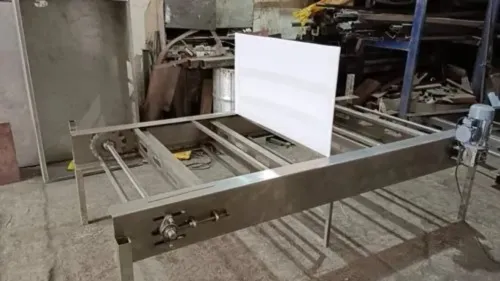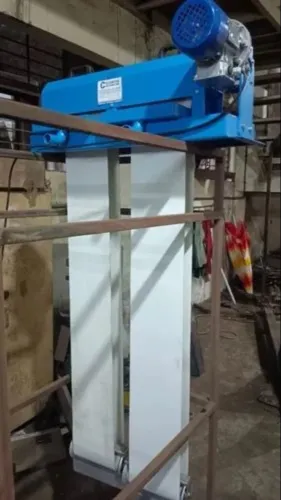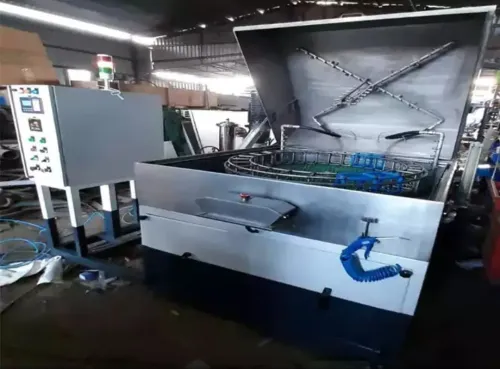

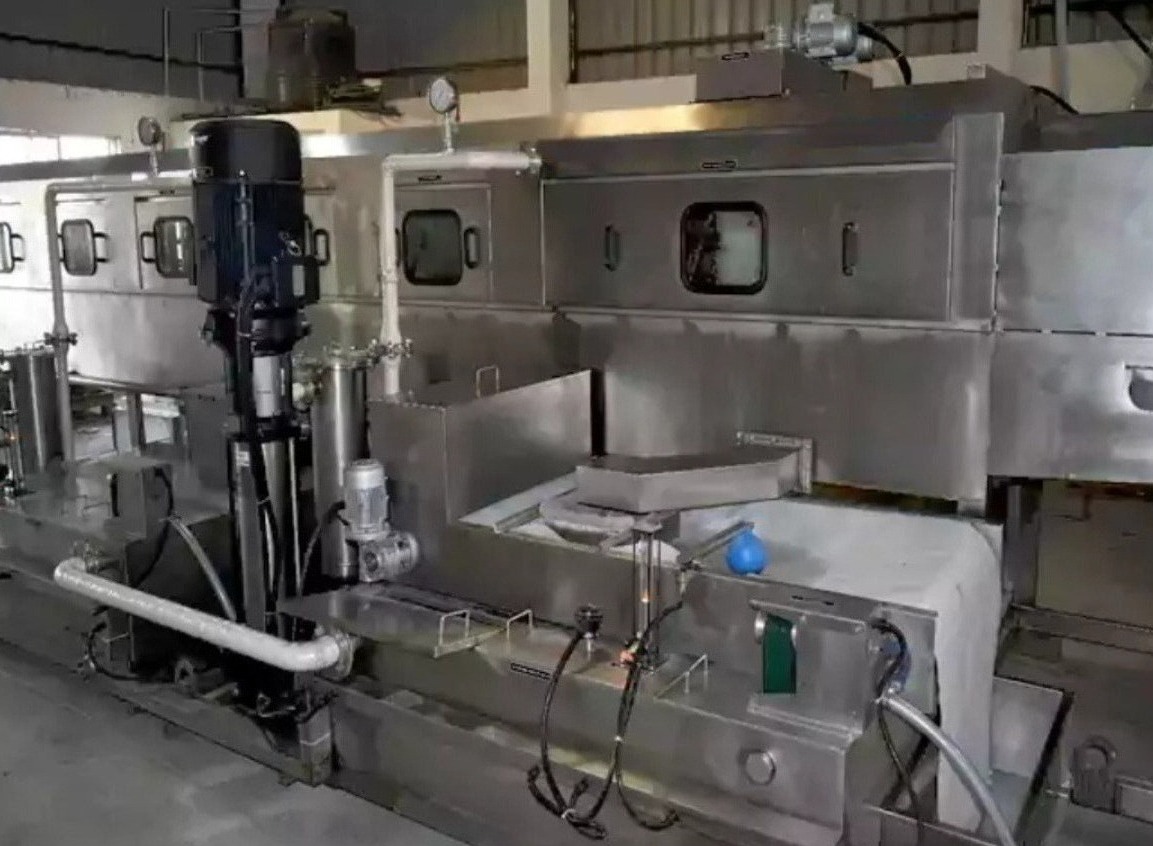
Component cleanliness can directly influence assembly, coating, inspection and final product performance. A Component Cleaning Machine Manufacturer therefore needs to understand much more than the dimensions of the parts being washed. The correct cleaning system depends on contamination type, production volume, component geometry, required cleanliness and the processes that follow washing.
For buyers in Pune's automotive, engineering, machining and precision manufacturing sectors, machine selection should begin with the component rather than with a standard equipment catalogue.
Start by identifying what must be removed. Typical contamination includes machining oil, coolant, grease, metal chips, dust, polishing residue and process debris. Different contaminants may require different spray pressure, chemistry, temperature, filtration and drying arrangements.
Component geometry is equally important. A simple external surface can be easier to clean than a part containing blind holes, internal passages, threads or complex cavities. Merely spraying the outside of a complicated component may leave contamination trapped in inaccessible areas.
Production requirements should then be quantified.
Useful information includes:
Components required per hour
Maximum component dimensions
Minimum and maximum component weight
Loading and unloading method
Required cycle time
Cleanliness acceptance criteria
Drying requirements
Available floor space
Upstream and downstream processes
Automation level is another major decision. A low-volume operation may not require the same machine architecture as a high-throughput automotive line. Increasing automation without a clear production need can add unnecessary complexity, while insufficient automation can create bottlenecks.
Buyers should also evaluate filtration. Washing simply transfers contamination from the component into the cleaning liquid. If chips and oil remain uncontrolled in the tank, cleaning quality may deteriorate as production continues.
A well-planned system considers how contamination is removed from the circulating fluid. Depending on the process, this may involve filtration, oil skimming, settling, tank cleaning or combinations of these methods.
Maintenance access is frequently underestimated during procurement. Pumps, filters, nozzles, tanks, heaters and other service points should be accessible enough for routine inspection. A machine that produces good results during initial trials but is difficult to maintain can become troublesome during continuous production.
Facilities in Pune, Pimpri-Chinchwad, Chakan and Talegaon should also consider the availability of space around existing production lines. The machine must fit not only physically but operationally, including material movement, operator access and maintenance clearance.
Cleanosk Automation operates in this industrial cleaning equipment space, where machine configuration can be developed around component and production requirements.
Before finalizing a supplier, buyers should ideally provide actual sample components and contamination details. Cleaning trials can help determine whether the proposed process reaches difficult areas and achieves the expected result.
The most suitable component cleaning machine is not necessarily the machine with the greatest number of stages or features. It is the system that consistently produces the required cleanliness at the required production rate while remaining practical to operate, maintain and integrate into the plant.