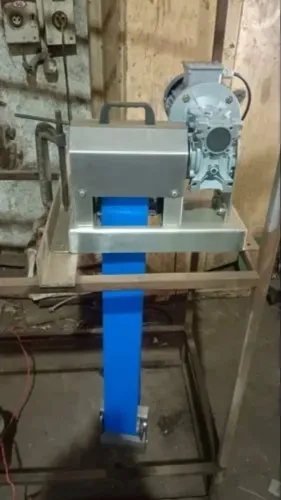

Manufacturing plants use water, coolant, cleaning solutions and process fluids in many different operations. Over time, these liquids can become contaminated with hydraulic oil, lubricating oil, cutting oil and other floating hydrocarbons. Industrial Oil Skimmers provide a mechanical method for removing free-floating oil before contamination becomes more difficult to manage.
One of their most familiar applications is machine coolant maintenance. CNC machines and machining centres frequently experience tramp-oil contamination from slideway lubricants, hydraulic systems and other machine components. When this oil reaches the coolant reservoir, it may rise and form a surface layer.
Regular skimming helps separate the floating oil without requiring the entire coolant tank to be emptied simply to address surface contamination.
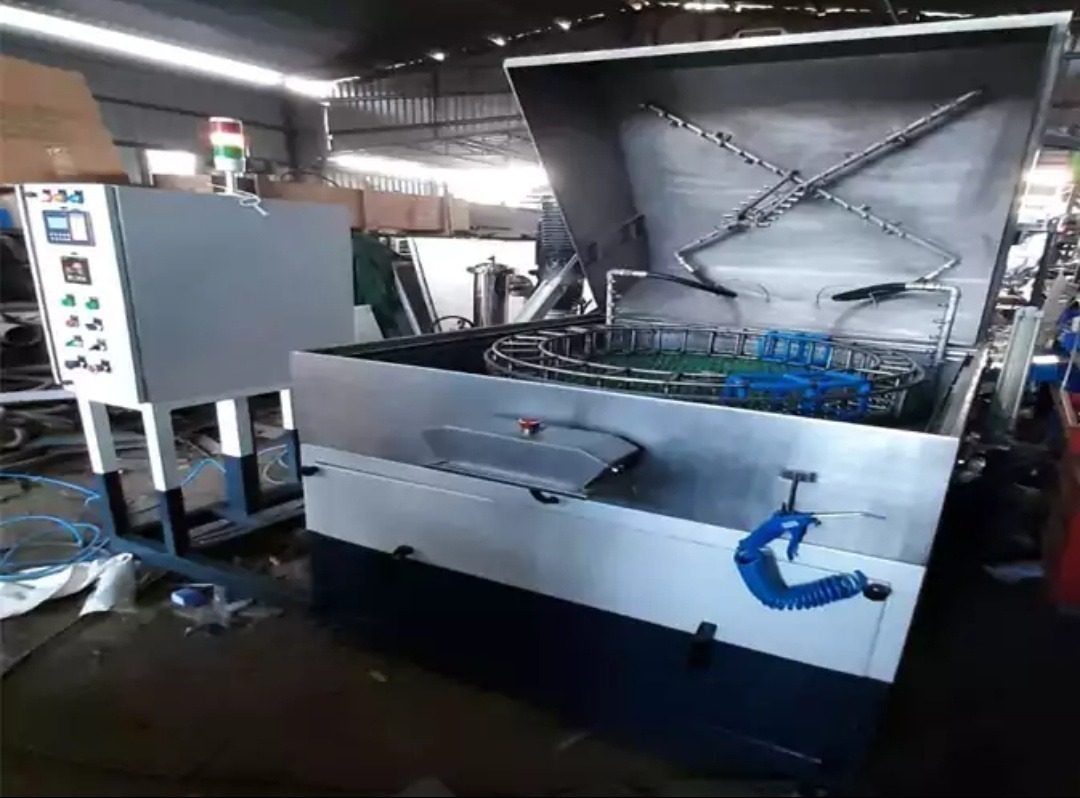
Industrial washing is another important application. Components entering a cleaning machine may carry machining oil, grease and process residues. During washing, part of this contamination transfers into the cleaning liquid. If the oil separates and floats, a skimmer can remove it from the tank.
Oil skimmers are also found in:
Pretreatment tanks
Industrial sumps
Wastewater collection systems
Effluent treatment processes
Degreasing equipment
Parts washing installations
Process-water tanks
Maintenance pits
Each application creates different operating conditions.
A coolant reservoir, for instance, may have relatively predictable liquid levels but very limited installation space. A wastewater tank may be much larger and experience significant variation in oil concentration. Component-cleaning equipment may involve heated liquids and cleaning chemicals.
The skimmer therefore has to suit the application rather than merely the volume of the tank.
For industrial businesses across Pune and Maharashtra, this distinction is important because manufacturing facilities range from small precision machining units to large automotive and engineering plants. Equipment suitable for one facility may be unnecessarily large, too small, or mechanically unsuitable for another.
Oil properties should also be considered. Light oils behave differently from thick lubricants. Temperature affects viscosity, while detergents and process chemicals can affect oil-water separation. Plants should determine whether the contamination exists mainly as free oil or as an emulsion.
Free-floating oil is generally easier to address through mechanical skimming. Stable emulsions may require additional separation or treatment processes.
Another practical issue is liquid-level variation. If the level changes considerably during production, maintenance, filling or draining, the skimming arrangement must remain capable of interacting with the oil layer.
Installation location matters as well. Surface flow within the tank can move oil toward or away from the skimmer. Positioning equipment where floating contamination naturally accumulates can improve collection efficiency.
Maintenance should be included in the initial planning. Operators need access to inspect the skimming mechanism, remove accumulated debris, empty recovered oil and replace wear components when required.
Cleanosk Automation serves the industrial equipment requirements of businesses in Pune, where oil management frequently connects with machining, component cleaning and washing processes. Understanding the complete process helps determine whether a skimmer should operate continuously, intermittently, or alongside other fluid-treatment equipment.
Industrial oil skimming is ultimately a source-control technique. When free oil can be removed before it spreads through a fluid system or reaches downstream treatment, the overall contamination-management process can become easier to control.