
Rainwater, fluctuating sump levels, chips and microbial growth can turn a normally reliable coolant system into a difficult separation problem. By the end, you will know when a disc skimmer will work, how to install and protect it, and when filtration, fluid correction or another skimmer design is the better choice.
Key takeaways
- Measure monsoon-driven sump level changes before selecting the skimmer.
- Use a guarded recovery path that keeps rainwater and solids out of the oil container.
- Separate free-floating oil from emulsified oil before choosing disc-skimmer controls.
- Test recovery rate, restart performance and coolant carryover with representative sump water.
How Pune monsoon water changes a machining-coolant sump
A monsoon sump changes in both chemistry and level: rainwater dilutes the coolant, raises the surface, and carries dirt, dissolved salts, and biological contamination into the tank. Roof leaks and overflowing drains add the same problem faster than automatic make-up controls can correct it.
Expect these changes during heavy rain:
- Coolant concentration falls, reducing lubricity and corrosion protection.
- Turbulence and dilution can break tramp oil into a thinner, unstable surface film.
- Humidity and contamination encourage microbial slime, odour, and sludge movement.
- Chips and fines can float toward the surface and obstruct the oil-recovery path.
- A blocked drain or waterlogged collection container can return recovered oil to the sump.
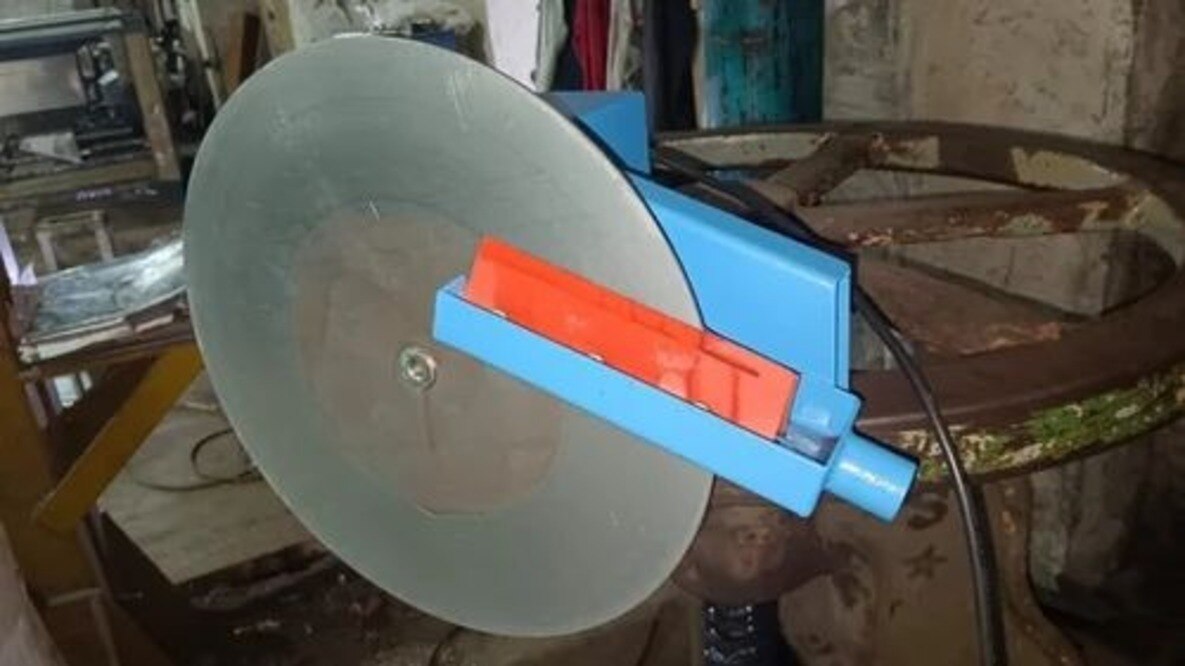
A disc oil skimmer for coolant tanks needs a relatively calm surface because its rotating oleophilic disc must contact floating oil, not chase droplets dispersed by pump returns, aeration, or high-pressure coolant streams. If the oil layer moves away from the disc, recovery falls even though the motor continues running.
Specify a disc type oil skimmer for monsoon in pune with adjustable disc immersion and a way to follow changing coolant level. Excessive immersion drags out usable coolant and fills the collection container with water; insufficient immersion misses the floating oil film.
Inspect the disc and discharge route for sticky residue, chips, slime, and blockage, especially after intense rainfall. A skimmer removes free oil, not emulsified oil; dilution and biological growth require separate coolant control.
How to mount the disc and protect the recovery path
Mount the disc in a calm corner where floating oil naturally collects, not beside a pump outlet, aeration point, high-pressure coolant return, or agitator. These flows break the oil layer into droplets or carry it away before the disc can recover it.
A separate settling pocket or baffle can shield the disc from chips and turbulence.
1. Set the adjustable bracket with the coolant at its lowest normal operating level. Immerse only the lower disc section needed for continuous surface contact; keep the shaft, drive and scraper assembly above the liquid.
2. Place the collection trough directly beside the disc’s wiping point, outside the main splash zone. Give it a continuous fall toward the discharge connection so oil cannot pool around the scraper.
3. Fit a removable chip guard or coarse screen before the disc zone, and provide a settling area, magnetic separator or filtration loop for fines. A disc oil skimmer for machining is not a sludge collector; metal grit will abrade the disc and clog the scraper.
4. Route the outlet through a short, visible, downward-sloping line into a closed, covered recovery container positioned away from the sump. Add a rain hood, overflow alarm or level window, and never let the discharge end point back over the coolant.
Keep the disc and recovery container beneath a roof or fitted splash shield. Seal gaps against rainwater while leaving access for inspection. Check the motor, isolator, cable glands and junction boxes separately: IP65 resists dust and water jets, but it does not permit temporary immersion.
Inspect the scraper, trough and drain after heavy rain for chips, slime, blockage and oil overflow.
Free-floating tramp oil, emulsified oil and solids need different controls
A disc oil skimmer for coolant tanks removes contamination only when oil forms a recoverable surface layer. Stir a sample, let it stand, and check whether a distinct oil band reforms. A clear band supports disc skimming; a persistent haze means the oil is emulsified or dispersed.
Set adjustable disc immersion and level control: too deep carries coolant over, while too shallow misses oil after rainwater raises the tank level.
Use separate controls for contamination the disc cannot solve:
- Emulsified oil: identify the cause, such as excessive agitation, incorrect concentration or cleaner ingress, then use a coalescer, centrifuge or coolant replacement plan.
- Coolant dilution: measure concentration with a refractometer and restore it with the specified concentrate mix. Skimming cannot remove rainwater.
- Metal fines and grit: install a settling zone, magnetic separator, screen, paper filter or filtration loop before they reach the disc.
- Biological growth: inspect odour, slime and fluid condition; clean the sump and apply a metalworking-fluid treatment approved for that coolant.
- Grease: trial the actual material. A disc type grease skimmer monsoon installation may need a heated or enlarged chute because grease can stick to the wiper, bridge the outlet or congeal in the drain.
Inspect the disc, scraper, chute and drain routinely. Chips, slime or a waterlogged recovery container can block discharge and return recovered oil to the tank, eliminating the separation benefit.
The sizing and design checklist for a monsoon installation
Specify the tank, fluid, operating and electrical conditions before comparing equipment. Record:
- Tank length, width, surface area, working depth, minimum and maximum levels, access points, baffles and inlet turbulence.
- Coolant type and concentration, temperature range, tramp-oil loading, oil viscosity, emulsification, and required removal interval.
- Rain exposure, make-up-water rate, overflow route, chip and fines load, and whether a settling zone, magnet, screen, paper filter or filtration loop handles solids.
- Required running pattern, recovered-oil container volume, drain-line route, inspection access and cleaning frequency.
- Supply voltage, phase, frequency, motor rating, isolator location, cable-gland size and enclosure exposure. IP65 means dust-tight and protected against water jets; it does not permit temporary immersion. Assess the motor, isolator, glands and junction boxes separately.
A quoted litres-per-hour figure is incomplete unless the supplier states test oil, temperature, disc immersion and collection arrangement. For an industrial disc skimmer in Pune, specify adjustable immersion and level tracking: excessive immersion carries coolant into the recovery container, while insufficient immersion misses a thin floating layer.
A blocked chute or waterlogged container can return recovered oil to the sump.
Compare the options against the same site data:
| Option | Best fit | Main limitation |
|---|---|---|
| Disc | Floating tramp oil, variable level with adjustment | Does not remove settled solids |
| Belt | Higher oil loading or deeper reach | More coolant carry-over and cleaning |
| Tube | Light surface film, compact access | Lower recovery from viscous oil |
| Floating-weir | Broad surface collection | Pulls coolant and needs stable level |
| Horizontal scraper | Thick layer with settled surface debris | More moving parts and solids wear |
Protect an open tank with a canopy, sloped drip trays and controlled drainage; increasing skimmer capacity does not correct monsoon dilution.
How to test the chosen skimmer before it enters production
Do not accept a quoted litres-per-hour figure without the test conditions behind it. Require the oil skimmers manufacturer to run the machine on your actual coolant, tramp oil and representative operating temperature, using the tank’s real return-flow pattern.
1. Record the free-oil recovery rate, residual surface sheen and coolant carry-over in the recovered oil. State the test oil, temperature, disc immersion depth and collection arrangement beside every result.
2. Run the skimmer through several start-stop cycles. Leave it idle for a period that matches your production routine, then check restarting, disc wetting, wiper action and collection flow.
3. Change the coolant level during the trial. An adjustable disc immersion setting and a level-following arrangement are essential; excessive immersion carries coolant into the waste oil, while shallow immersion misses a thin floating layer.
4. Test the actual grease, not only low-viscosity tramp oil. A disc type grease skimmer in monsoon conditions can carry grease on the wiper, bridge the chute or congeal in a cold discharge line. Require a heated or enlarged outlet if the trial shows restriction.
5. Ask the supplier to inspect the motor, isolator, cable glands and junction boxes for the installed exposure. IP65 protects against dust and water jets, not temporary immersion.
An industrial disc skimmer in Pune should be trialled on your sump, not a workshop tank. Cleanosk Automation can use your coolant, tank geometry and rain-affected level changes to validate recovery before installation. Check coolant concentration separately with the fluid supplier’s refractometer method; skimming does not reverse rainwater dilution.
Related product
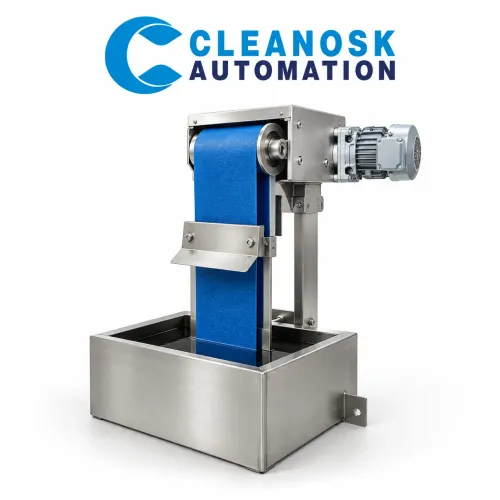
 | Oil Skimmers Cleanosk Automation is a trusted manufacturer, supplier, and exporter of Disc Type Oil Skimmers in India. View product → |
Frequently asked questions
How does monsoon water change a machining-coolant sump in Pune?
Rainwater raises the sump level, dilutes coolant and introduces dirt, dissolved salts and biological contamination. Roof leaks and overflowing drains can add water faster than automatic make-up controls correct it.
How should you mount a disc oil skimmer in a coolant tank?
Mount the disc where it reaches the floating oil layer without scraping the tank bottom. Protect the recovery path with guards and keep the collection route clear of incoming rainwater, chips and settled solids.
Can a disc oil skimmer remove emulsified oil and solids?
A disc skimmer is suited to free-floating oil. Emulsified oil needs a separate treatment decision, while chips and settled solids need filtration, screens or sump-cleaning controls.
What should you test before putting a skimmer into production?
Test it with representative coolant, oil and solids. Check recovery rate, coolant carryover, performance at high and low sump levels, restart behaviour and the condition of the recovered oil.